
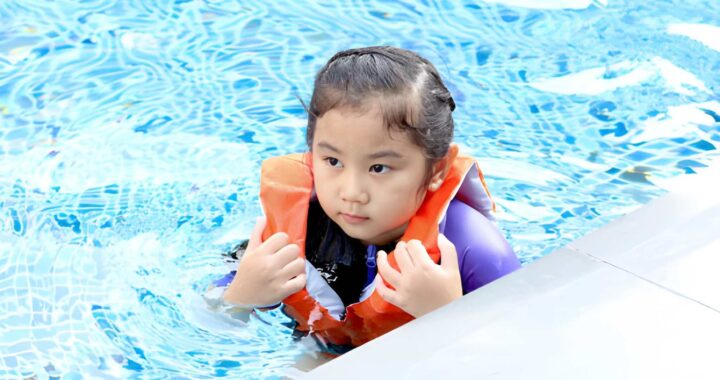
Swimming is one of the most popular recreational activities for children in Singapore, offering both fun and physical development. However, despite its many benefits, it also comes with serious safety risks that cannot be overlooked.
This has been highlighted by findings from KKH's Child Injury Surveillance Report (2024), which revealed that 361 child drowning cases in Singapore between 2012 and 2023 occurred in swimming pools, with 309 of these cases involving children aged 7 and below.
This has made safety a critical priority for parents and caregivers whenever children are near water. Simple precautions, such as never letting children swim alone and supervising them closely at all times, can help ensure a safer swimming experience.
What are the Safety Rules for Swimming?
Before your child steps into the pool to swim, it’s essential that you understand the key safety rules and tips to keep them protected in and around the water.
1. Never Swim Alone
Even strong swimmers can experience sudden cramps, exhaustion, or panic in the water. Thus, always ensure that your child does not enter the pool to swim without an adult present. The safety rule will ensure there is always someone nearby to call for help or assist in an emergency.
2. Supervise Children Closely
When your child is swimming, supervise them closely by staying within arm’s reach rather than watching from across the pool. Put your phone away, set down your book, and focus entirely on your child, as drowning can happen in an instant.
3. Enter the Water Feet First
Instruct your child to always enter the pool feet-first. Diving headfirst into shallow water or into areas with hidden obstacles can cause serious spinal injuries. Reinforce this safety rule on every visit to the swimming pool until it becomes second nature.
4. Swim in Designated Areas
At public pools and open water, keep your children within the marked swimming zones. These boundaries are there because lifeguards can monitor them effectively, and the water depth and conditions within them are known to be safe. Beyond those markers, visibility drops and conditions change.
5. Avoid Breath-Holding Games
While breath-holding games may seem harmless at first, they carry a risk of sudden loss of consciousness underwater, known as shallow-water blackout.
This happens because hyperventilating before submerging lowers carbon dioxide levels in the blood, which can cause a child to pass out without warning. Therefore, it’s important to explain to children that these games are dangerous and must never be attempted.
6. Reach, Throw, Don’t Go
If your child sees a friend struggling in the water, their instinct may be to jump in. Teach them early that this is the wrong response, because two people in difficulty are far harder to rescue than one.
Instead, train them to use the 'reach, throw, don’t go' method. This means reaching from the poolside to extend a pool noodle, rope, or pole, or throwing a buoyancy aid, while immediately calling for adult help.
7. Choose the Right Water Safety Devices
Although swimming for kids can be made fun with arm bands, pool noodles, and inflatable rings, these items are not designed to keep a child’s head above water in an emergency.
Therefore, for children who are not yet confident swimmers, it is crucial to use only life jackets or personal flotation devices (PFDs) that meet recognised safety standards. Additionally, always check the fit before every swimming session to ensure maximum protection.
8. Avoid Pool Drains
The suction from pool and spa drains can trap hair, limbs, jewellery, and clothing, regardless of how well your child swims. Teach them to stay well clear of drain covers at all times.
If you spot a cracked or missing drain cover at any facility, report it to staff immediately and keep your children away from that section of the pool.
9. Avoid Alcohol While Swimming or Supervising
When spending time at the pool, it’s important to remain fully alert and in control at all times. This applies not only to older teens but also to parents supervising children. Alcohol can impair judgement, slow reaction time, and affect the body’s ability to regulate temperature in the water.
10. Learn CPR
In fact, bystander CPR started immediately after a drowning incident is one of the most important factors in improving survival before emergency services arrive. Therefore, it is highly recommended to complete a certified CPR course and refresh your skills periodically.
Additional Swimming Safety Tips
These additional swimming safety tips can help you create a safer, more secure pool environment for your children.
1. Build Safety Through Open Communication
Rather than giving your children a list of prohibitions, explain the reason behind each rule. When they understand why they must ask permission before approaching the water, they are far more likely to follow through every time. Water safety conversations should be a regular part of family life, not a one-off briefing at the start of swim season.
2. Follow At-Home Pool Safety Rules
If you have a private swimming pool, install automatic-latch gates, install a pool alarm, and remove toys from the water's edge after each session. Toys left near the pool can draw a curious child back to the water when no adult is watching, so clearing the area after use is as important as the safety rules you set.
3. Enroll in Swim Lessons
One of the most effective ways to improve your child’s safety in the water is through structured swim lessons for kids. When children develop confidence in swimming, they are far less likely to panic, which turns a minor situation into a serious one.
In addition, lessons led by qualified coaches help build not only essential physical skills but also calm, instinctive responses that enable your child to stay safe in the water.
Why Does Water Safety Matter?
When families prioritise water safety, they do more than simply reduce the risk of accidents; they help children develop a lifelong, healthy respect for the water.
At the same time, the goal is not to create fear or anxiety around swimming. Instead, it is about replacing uncertainty with knowledge, so that every swim is approached with confidence rather than unease. As a result, children who learn proper safety rules are able to enjoy the water as a source of joy, not risk.
Trade Worry for Water Confidence with Isplash Swim School
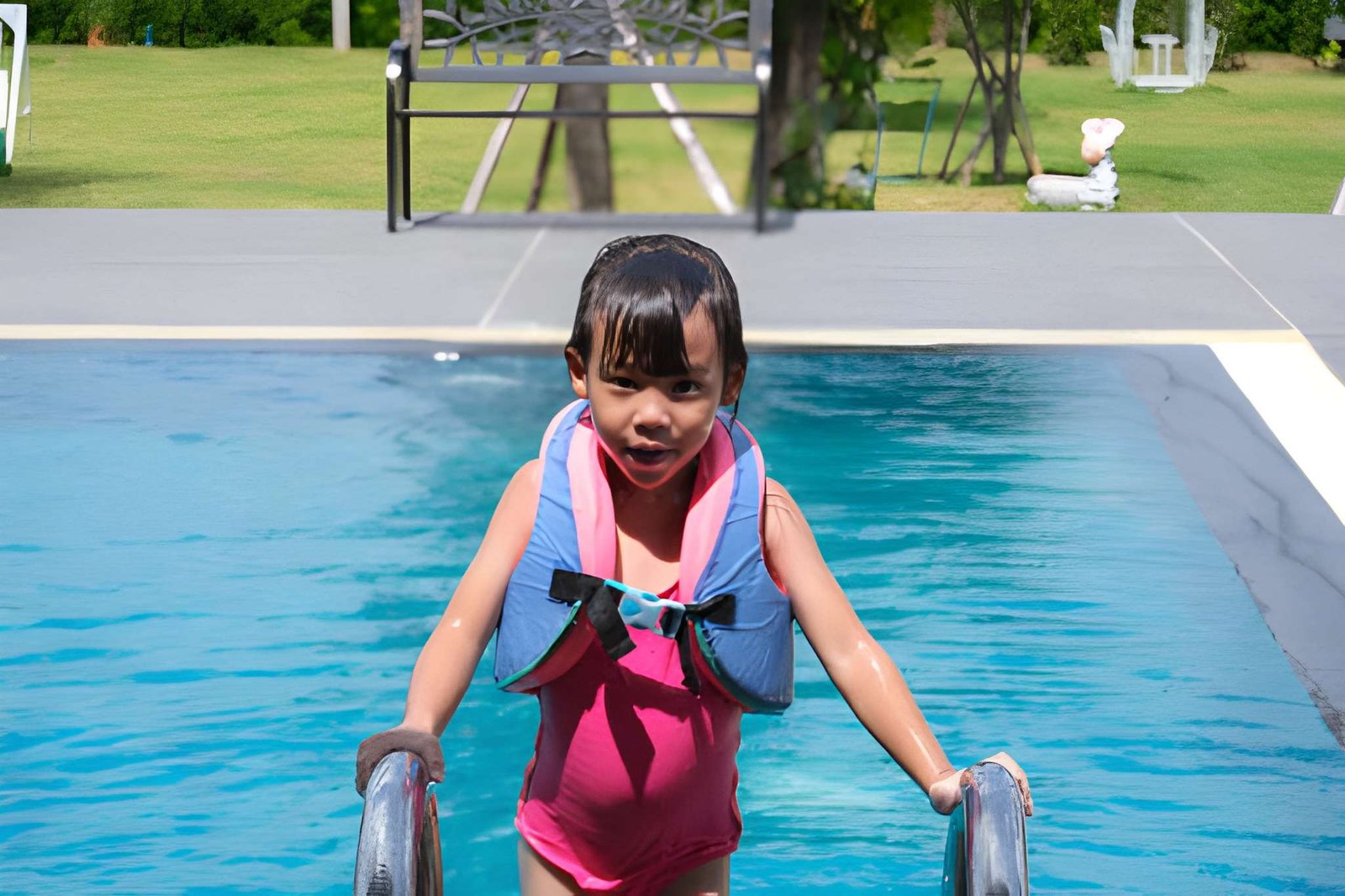
Water safety is not just a skill; it’s a lifelong foundation that gives children and adults the confidence to enjoy the water safely. That’s why learning from the right guidance makes all the difference.
At our swim school in Singapore, our certified coaches, comprising former competitive swimmers and trained lifesavers, focus on building water confidence while prioritising safety at every step. Through structured lessons aligned with the latest SwimSafer syllabus and a supportive, encouraging environment, we help learners of all ages progress with confidence.
Whether you’re looking for toddler swimming classes or lessons for adults, we’re here to support every stage of your journey.
Start your swimming lessons today and turn water worry into lasting confidence with Isplash Swim School.