
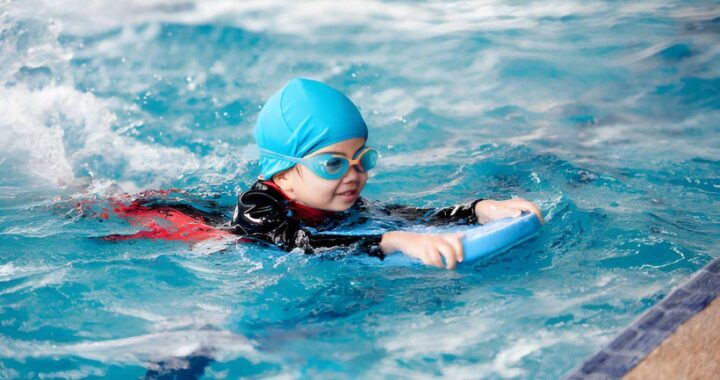
Swimming is a life skill that many parents and individuals consider for safety, fitness, and confidence in the water. While enrolling children in lessons or starting as an adult learner, many wonder how long it takes to learn and build comfort and control in the pool.
The answer varies by age. Infants between 6 and 12 months typically need 8 to 8 months of consistent lessons to become comfortable in the water. Toddlers aged 3 to 5 generally take 6 months to a year to move from splashing to basic independence. An adult can usually learn to swim within 2 to 3 weeks of regular lessons.
Is it Difficult to Learn Swimming?
Swimming can be hard to learn for many beginners, but the challenge usually has less to do with physical movement and more to do with sensory adjustment and breath control.
For most learners, the early hurdle is getting comfortable with water on the face, learning to coordinate breathing underwater, and developing trust in buoyancy. These are skills that rely on calm repetition rather than strength alone.
As confidence builds, movements start to feel more natural and controlled. In the right environment, where instruction is patient, supportive, and paced appropriately, this learning curve becomes easier.
How Long Does it Take a Baby to Learn to Swim?
Swimming lessons for babies look very different from what most people picture when they think of learning to swim.
Reaching Water Comfort
For infants from 6 months old, the goal is not strokes; it is acclimation. Most babies need 4 to 8 months of consistent weekly sessions to become fully relaxed with submersion and floating.
Progress at this stage shows up in small changes. A baby who is no longer scared when water touches their face, who can float without going stiff, and who starts kicking naturally is making progress.
Infant Safety Focus
At this stage, every session is done with a parent in the water. Having a parent nearby helps the child feel safe and builds trust in the water. The focus is not on swimming techniques but on basic safety skills like holding their breath and reaching for the pool edge.
These early abilities help the child feel secure in the water before any proper swimming strokes are taught.
How Long Does it Take a Toddler to Learn to Swim?
Toddlers begin their swimming journey with playful, guided exposure to water, and their progress depends on consistency, comfort level, and the learning environment.
Usual Learning Speed:
Children aged 3 to 5 usually take about 6 months to 1 year to move from splashing to basic independence in the water. Progress happens in small, playful steps because toddlers learn best through short, fun sessions.
Core Swimming Milestones
Parents tracking a toddler's progress should look for three markers: blowing bubbles consistently, kicking without assistance, and returning to the wall after jumping in from the edge.
Once all three are in place, the child is ready to begin working towards independent movement across a short distance.
How Long Does it Take for School-Age Children to Learn to Swim?
Children aged 6-12 years have something toddlers don’t: better coordination, which helps them understand instructions and translate them into physical movements more easily.
Basic Stroke Mastery
Most children in this age group can become confident swimmers within 8 to 20 lessons. Progress tends to be more consistent week-on-week at this age, which makes it easier to plan and track.
Tracking Progress Goals
The focus shifts from staying safe in the water to learning proper technique. Key milestones include learning to breathe rhythmically in freestyle and swimming 15 to 25 metres without stopping.
At this stage, good form becomes more important than just reaching the other side of the pool. A child who can swim 25 metres with steady breathing is ready to build endurance or further improve stroke technique.
How Long Does it Take an Adult to Learn to Swim?
Adults learn to swim depending on their comfort level in the water, the consistency of their practice, and the guidance of a qualified coach.
Beginner Time Estimates
With consistent practice, most adults need about 20 to 30 hours of lessons (8 to 12 lessons) over 2 to 3 months to learn to swim. Many can also reach basic water safety skills within the first 2 to 3 weeks of regular lessons.
Skill Growth Stages
Adult progress typically follows two phases. The first is getting comfortable with floating and breath control. The second is putting stroke coordination together.
Adults tend to absorb instruction quickly, which accelerates the technical side. More time is often needed to build swimmer-specific fitness: the lung capacity, shoulder endurance, and hip mobility that experienced swimmers develop over years of consistent training.
Planning Your Timeline
Whatever the age, the single biggest variable in any learning timeline is how consistently lessons happen.
Weekly Lesson Consistency
At least one 30 to 45-minute lesson each week is usually enough for steady progress. The time between lessons is important because skipping even a few weeks can cause children, especially younger ones, to forget some of what they learned. Regular practice helps them keep their skills and improve step by step.
Extra Practice Needs
Supplementing lessons with informal water time can, to some extent, speed up the overall learning timeline. A swimming session in a condo pool or an afternoon at a water park both count. Any additional exposure builds the familiarity that makes in-class learning stick faster.
Learn Swimming With an Expert Coach at Isplash Swim School
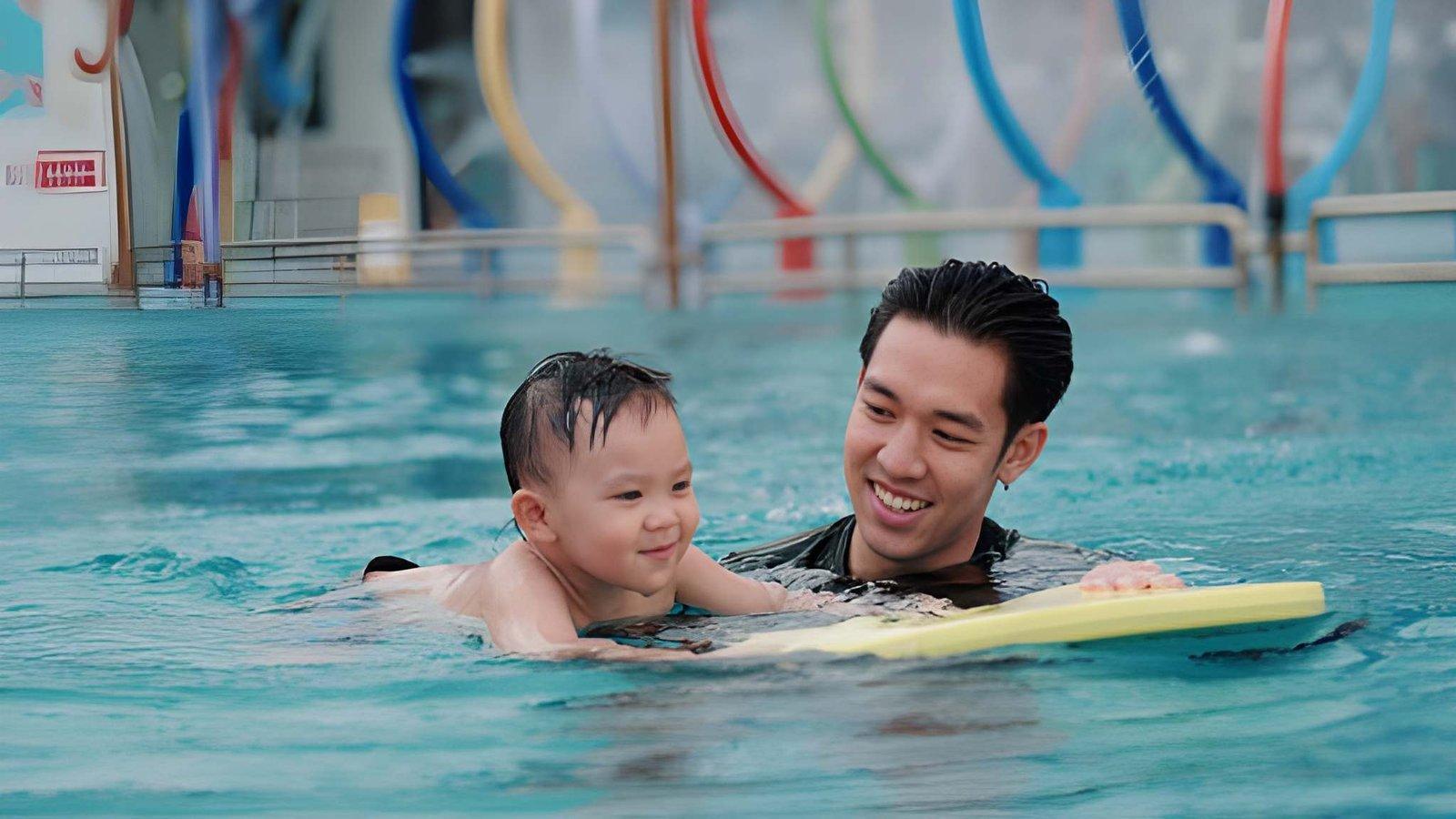
Every learner moves at their own pace, but professional guidance shortens the timeline regardless of age.
At Isplash Swim School, our certified coaches work across every age group and skill level. Whether you are booking swim classes for adults or enrolling a child through the SwimSafer programme, our instructors are matched to each learner's stage. If one-to-one attention is what you need, a private swimming coach makes the fastest difference to progress.
Book a slot today and learn swimming in Singapore with a clear plan and a coach who knows your goals.