
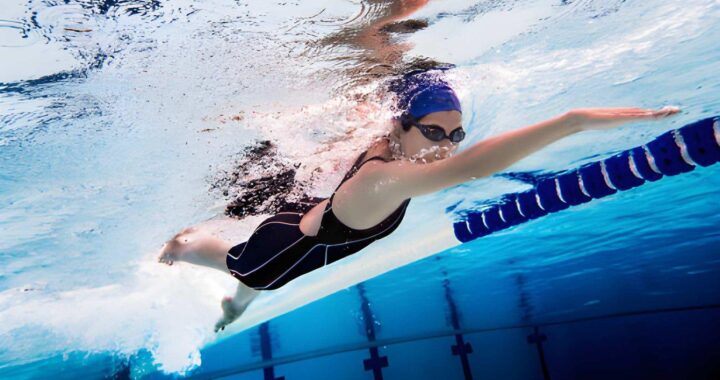
Swimming often looks simple from the outside, but for beginners, it can feel a bit hard once you enter the water. From learning how to control breathing to coordinating arms and legs while staying afloat, this sport demands physical effort and mental adjustment.
With consistent practice and the right guidance, you can gradually build confidence, improve technique, and start moving through the water with ease and control.
Is Swimming a Sport?
Swimming is unambiguously a sport. It meets every criterion set by the Global Association of International Sports Federations (GAISF). It is competitive, relies on skill and training rather than chance, and carries no undue risk to participant safety when conducted properly.
It has featured at every modern Olympic Games since 1896, and its athletes train with the same rigour as those in any other recognised discipline. The gap between recreational and competitive swimming is vast, but it does not change what swimming is.
Why is Swimming One of the Hardest Sports?
Unlike many land-based sports, swimming requires the body to adapt to an unfamiliar environment, making it feel hard physically and mentally.
1. Involves Breathing Controls
On land, breathing is automatic and effortless. In water, that rhythm no longer applies. Every breath has to be synced with the stroke cycle, with swimmers turning to the surface at a fixed point in the arm movement and exhaling completely while underwater.
A small timing error can lead to inhaling water. This kind of breath control and rhythm in swimming is rarely required in land-based sports, making it one of the first and hardest adjustments for beginners.
2. Needs to Master the Four Swim Strokes
Swimming is not just one continuous movement. To become proficient, a swimmer has to master four key swimming strokes: Front Crawl, Breaststroke, Backstroke, and Butterfly. Each stroke comes with its own kick pattern, arm timing, and breathing rhythm.
Butterfly and Breaststroke, in particular, require coordination among the upper body, lower body, and breathing. In effect, there are four distinct technical systems to learn, each with its own set of common mistakes. On top of the physical strain, managing multiple techniques at once makes the learning curve significantly steeper.
3. Uses Every Single Muscle
Most sports require certain muscle groups to work while allowing others to rest. Running mainly works the legs, while tennis puts more load on the shoulders and arms.
Swimming, however, engages the entire body at once. The core maintains a horizontal position, the arms handle pulling and recovery, and the legs provide the kick. Even the fingers and toes play a role in propulsion and reducing drag.
In water, no muscle group is at rest. For beginners, this full-body effort leads to quicker fatigue than expected, and keeping proper form as tiredness builds becomes a challenge on its own.
4. Involves Getting the Form Right
Getting the form right is one of the key reasons swimming feels hard for beginners. Even small mistakes, like a dropped hip or a wide arm recovery, can create significant drag and slow the body down in the water.
Unlike many sports where effort can compensate for technique, swimming depends more on efficiency than raw power. This means every movement has to be controlled and balanced, with small adjustments making a big difference, and the learning curve feels steeper than expected.
5. Demands Regular Practice Time
The “feel for the water” that experienced swimmers have is not developed quickly. It is built slowly through repeated practice over months and years. After a long break from swimming, much of that efficiency is lost.
The muscle memory and specific awareness needed to move through water smoothly must be practised to stay sharp. Without consistency, parts of the technique often have to be relearned. This ongoing cycle is one reason it is hard to swim well without a steady commitment to training.
6. Pushes Against Water Resistance
Swimming feels hard largely because of water resistance. Water is about 800 times denser than air, which means every movement has to push through a much thicker medium. Unlike running on land, where movement is relatively free, water constantly pushes back against the body in every direction.
This makes forward motion much more effort-intensive, and even small distances require more energy compared to covering the same distance on a track.
How Hard is it to Be a Swimmer?
There is a difference between knowing how to swim and being a swimmer. The first means surviving in the water. The second means training it as a sport: early morning sessions, repetitive drills, and the mental discipline to push through exhaustion when progress feels invisible.
Competitive swimming demands consistency, patience, and a high tolerance for slow, incremental improvement. The full-body conditioning it produces is difficult to replicate in any other sport. The mental toughness built through training carries well beyond the pool. Those are not small returns for the effort involved.
Start Building Your Water Skills: Choose the Right Swim Coach
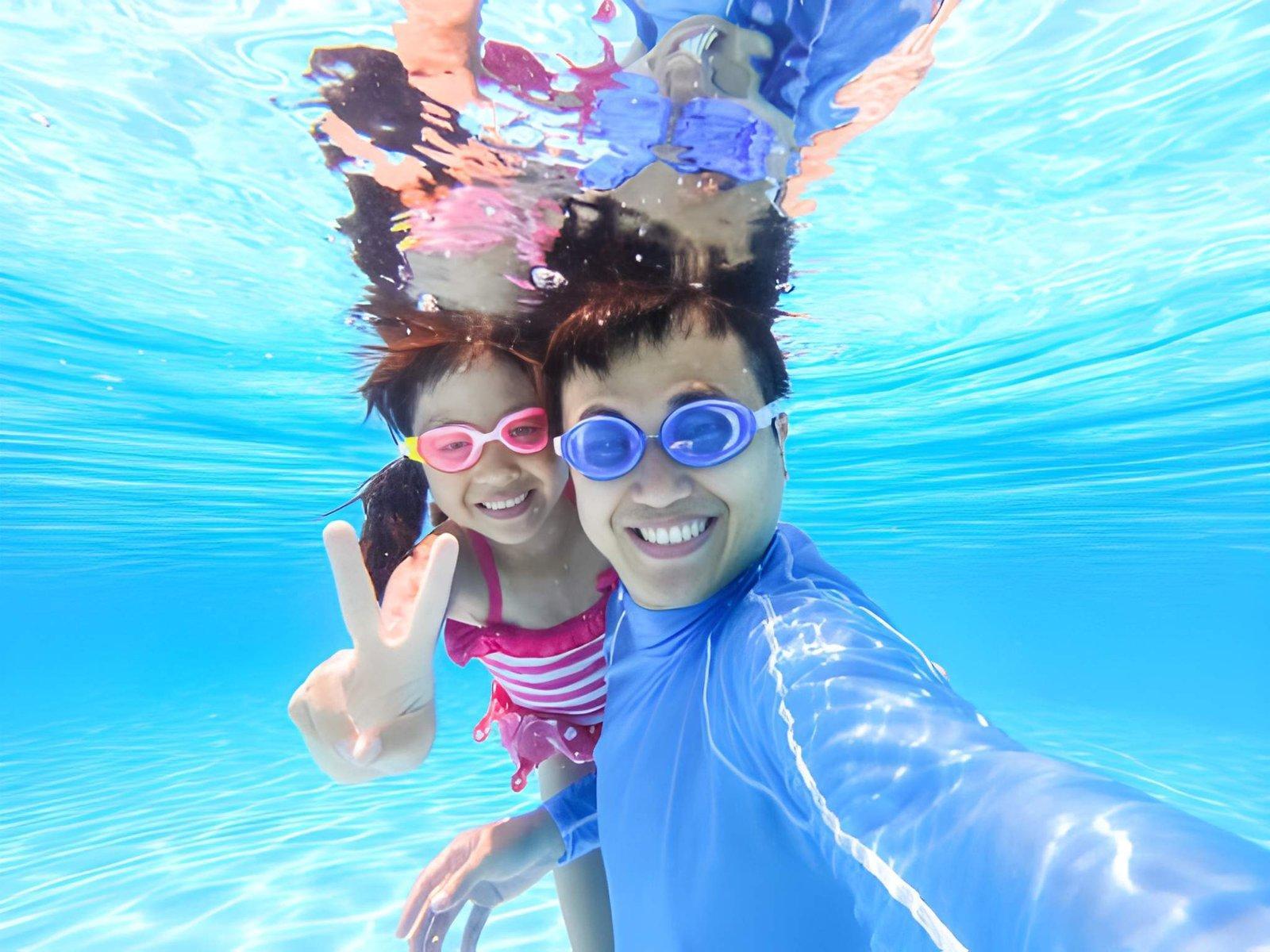
Swimming is objectively hard, but it doesn’t have to feel overwhelming when approached the right way. The challenges, such as breath control, technique, endurance, and water resistance, become manageable when broken down into clear steps.
At Isplash Swim School, our certified coaches break each of these challenges into manageable stages. With over a decade of experience and a network of more than 350+ instructors, we work with swimmers at every level.
Whether you are looking for swimming classes for kids or an adult who wants to learn swimming in Singapore, we provide structured coaching tailored to your needs. For those who prefer focused attention, we also offer private swimming coaches for personalised one-on-one training.
Ready to trade the struggle for progress in the water? Use our free matching service to connect with a coach who turns 'hard' into habit.