"When can my child start swimming lessons?" is one of the most common questions parents ask. And the honest answer is that there’s no one-size-fits-all timeline. The right age depends on several factors, including your child’s developmental readiness, comfort around water, physical coordination, and access to safe, qualified instruction.
Some children are introduced to water as early as 6 months of age, while others begin formal lessons during the preschool or early school years. Rather than focusing on a “perfect” age, it’s more helpful to understand what skills and signs to look for at each stage.
What is the Best Age for Babies to Start Swimming Lessons?
Most swim schools in Singapore recommend starting formal lessons between the ages of 2 and 4 years, when children can follow basic instructions.
The national SwimSafer programme, which is mandatory for all Primary 3 students (around age 8-9), officially starts from age 5, but early preparation through foundational classes gives children a significant advantage. Children aged 3 to 4 typically learn fastest due to their coordination and cognitive readiness, making this the ideal window for building water confidence before formal schooling begins.
At Isplash Swim School, our swimming classes for toddlers start from 2 years old, whereas our kids’ swimming lessons in Singapore are for 5 to 14-year-olds. We prioritise matching your child's developmental stage to the specific classes and instructors. Our swimming coaches know that every child learns differently, and we never push them beyond what they're ready for.
Under 1 Year Old - Consider Specialised Swimming Spaces for Infants and Babies
For babies under one year, swimming isn't about learning strokes. It's about bonding, exploring new sensations, and getting comfortable in the water. Lessons at this stage focus on helping your baby feel safe and secure whilst floating in your arms.
Babies under 12 months are still developing head and neck control. They don't have the coordination for purposeful swimming movements yet. Parent-and-baby classes focus on gentle water play, brief underwater dips, and building positive associations with the pool.
Typical swimming sessions for infants include:
- Warm water acclimation with you holding them close
- Gentle splashing and sensory games
- Short, supervised underwater moments to trigger breath-hold reflexes
- Songs and activities that make water feel fun, not scary
Around Age 2 - Introduce to Water & Strengthen Water Safety
Around age 2, toddlers experience an important developmental shift. They are more physically coordinated, better able to follow simple instructions, and increasingly curious about the world around them.
At this stage, many children walk confidently, respond to cues like “hold on” or “kick your legs,” and have developed enough neck and body control to manage basic movements in the water. These changes make it a suitable time to begin introducing structured water safety skills to toddlers through swimming classes.
That said, readiness varies from child to child. Some 2-year-olds adapt well to structured classes, while others may need more time with parent-assisted water play. Given their mobility and natural curiosity, introducing water safety at this age is especially important, as it helps build automatic responses that can be critical in unexpected situations.
At Isplash Swim School, our toddler swimming classes are focused on essential safety skills. We ensure lessons cover the fundamentals of water safety, including:
- Reaching for and holding onto the pool edge
- Getting in and out of the pool safely
- Building leg strength through assisted kicking
- Learning to turn and grab the wall if they fall in
- Getting comfortable with water on their face
Ages 3 to 4 Years - Build Essential Swimming Skills
Ages 3 to 4 are the sweet spot for learning to swim. Toddlers and preschoolers at this stage have the coordination and comprehension to learn to float, tread water, and swim independently, skills that can make all the difference in an emergency. Consistent swimming classes during these years can help children shift from being "comfortable" in water to being genuinely capable.
What to Expect at Isplash: Lessons become more independent and dynamic
- Underwater treasure hunts to build breath control
- Jumping into the pool and swimming back to the wall alone
- Coordinated arm and leg movements through games and drills
- Basic front and back floating
- Swimming short distances (1 to 2 metres) without help
How to Determine if Your Child is Ready to Start Swim Lessons?
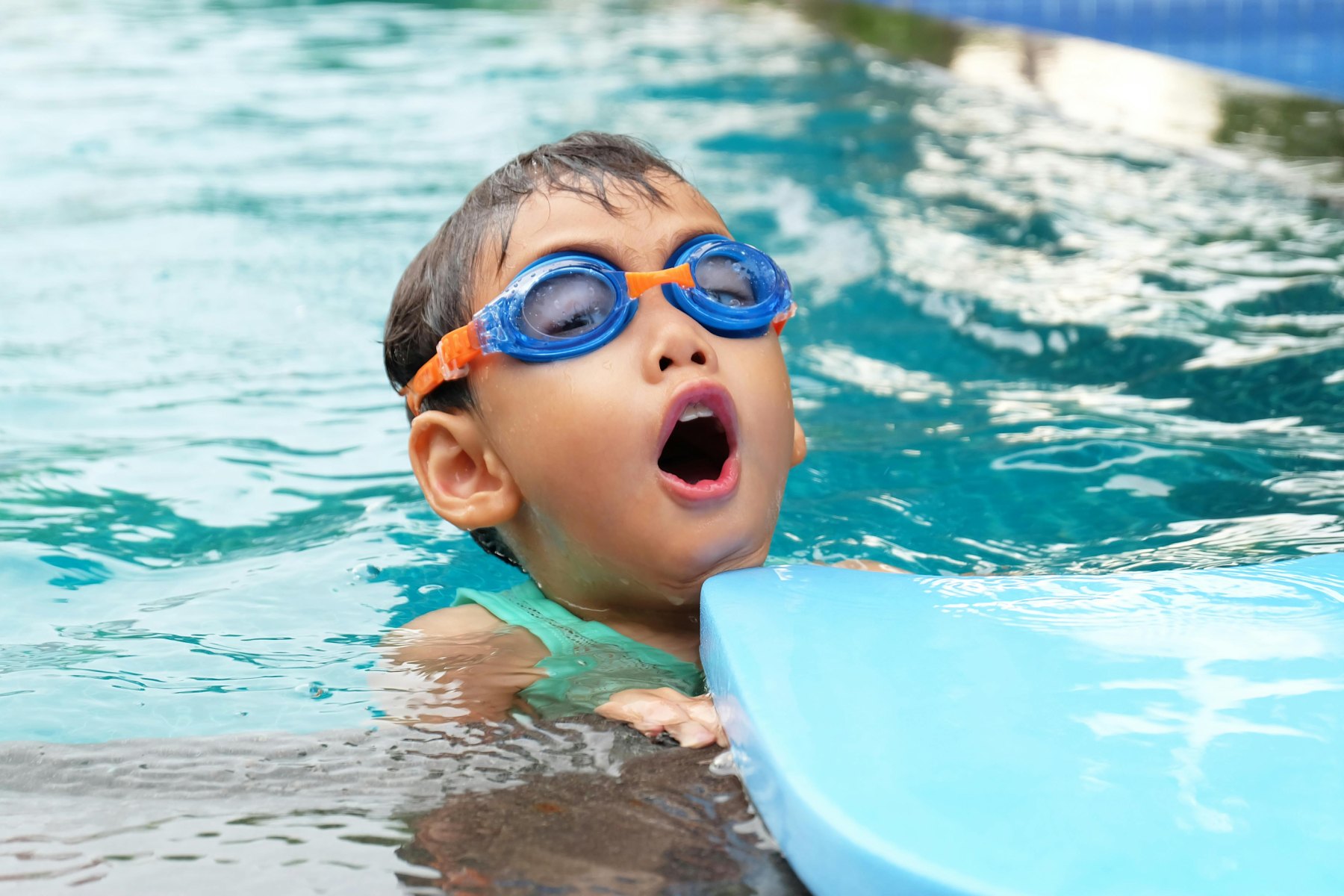
Age is just one piece of the puzzle. Your child's individual development matters more than what the calendar says. Here's what to look for:
1. Genuine Water Enjoyment
Watch how your child behaves during bath time. Do they splash happily? Are they calm when water touches their face? If they're curious and relaxed rather than anxious or upset, they're likely ready for the pool.
2. Ability to Follow Simple Directions
Can your child respond to instructions like "look at me" or "kick your legs"? Even basic comprehension makes lessons much more productive and enjoyable for everyone involved.
3. Physical Coordination and Strength
If your child can sit up on their own, crawl confidently, or reach for toys, they've got the muscle control needed to start learning basic swimming movements. Neck and trunk strength are especially important for staying safe in the water.
4. Curiosity and the Ability to Focus
A child who can engage in an activity for 5 to 10 minutes has the attention span needed for a 30-minute lesson. If they're naturally curious and willing to try new things, they'll do well in a structured class.
One More Thing: Readiness isn't just physical, it's emotional, too. If your child is scared or resistant, forcing them into lessons won't help. Give them more time or try play-based water activities first to ease them in gently.
What If My Child Starts Swimming Late?
Some parents may worry if their child hasn't started swimming by age 4 or 5. The good news? It's never too late to learn.
Better Focus and Comprehension
Older children, such as those ages 5 to 7, can follow complex instructions more easily than toddlers. They understand concepts like "streamline your body" or "rotate your arms" without needing constant repetition. This means they often progress through foundational skills faster than younger beginners.
Less Fear, More Logic
Whilst some older children may have developed water anxiety, many are actually more rational about their fears. They can communicate what scares them, making it easier for instructors to address specific concerns. Younger children might panic without being able to explain why.
Faster Skill Acquisition
A 7-year-old beginner can reach basic competency (floating, breaststroke drills ) in 8 to 12 weeks with consistent lessons. A 3-year-old might need 6 to 9 months to reach the same level and it is important to note that every child progresses differently. At Isplash, our Coaches will recommend estimated durations according to each child’s learning progress! Here’s a quick guide to learn more on How Many Lessons will it take for Children to Learn How to Swim!
How to Prepare for Your Kid’s First Swimming Lesson?
Preparing your child for their first swimming lesson doesn't have to be complicated. Here are the key tips:
Before the Lesson
- Talk positively about swimming and what to expect
- Practice bath time skills (blowing bubbles, getting face wet)
- Pack swimwear, a towel, goggles (optional), and a snack for after
On the Day of the Lesson
- Arrive 10 minutes early to avoid rushing
- Let your child use the toilet beforehand
- Stay calm, children pick up on your anxiety
- Avoid big meals 30 minutes before swimming
What NOT to Do
- Don't bribe or threaten your child
- Don't compare them to other children
- Don't force them if they're visibly distressed
Ready to Get Started?
Whether your child is a confident toddler ready to jump in or a cautious beginner taking their first steps into the water, Isplash Swim School is here to guide them every stroke of the way.
Check out our classes -
- Swimming Classes for Toddlers - Age 2 to 4 years old
- Kids’ Swimming Lessons in Singapore - Age 5 to 14 years old
Certified Lifesavers
Every Isplash instructor is a certified lifesaver trained in proper technique and safety protocols. We create a supportive environment where children feel secure enough to learn and grow.
Convenient Locations
We offer lessons at family-friendly venues across Singapore, including ActiveSG Jurong West and Bukit Batok, making it easy to fit swimming into your weekend routine. We also provide lessons at private condominiums for added convenience.
Free Matching Service
Not sure which programme suits your child best? We offer a complimentary matching service to help you find the perfect lesson slot, instructor, and venue tailored to your family's lifestyle and your child's unique needs.
Don't wait for the "perfect" moment and start building water confidence and safety skills today. Contact us now for a free consultation and discover how we can match your child with the ideal swimming lesson that fits your schedule and goals.
Frequently Asked Questions
How long does it take for a child to learn to swim?
It depends on age and lesson frequency. Children attending weekly lessons typically achieve basic water safety skills (floating, basic propulsion) within 8 to 12 weeks. Full stroke proficiency takes 6-12 months of consistent practice.
What if my child is afraid of water?
Fear of water is completely normal. To help ease this fear, begin with shallow-water play at home and allow your child to adjust at their own pace. Our instructors are trained in gradual, child-centred fear-reduction techniques. Some children build confidence within a few sessions, while others may take several months, and that’s perfectly okay.
How often should my child attend swimming lessons?
We recommend at least once per week for steady progress. Children who swim twice per week typically learn 30-40% faster. Gaps of more than two weeks can lead to skill regression, especially for beginners.
Is it too late to start if my child is already in primary school?
Never too late. A Primary 1 or 2 student starting swimming lessons still has plenty of time to prepare for the mandatory Primary 3 SwimSafer programme. With consistent lessons, most children can reach Stage 1 or 2 within their first year.
Should parents watch the lessons?
For children under 3, your presence during the swimming lesson can be comforting. For older children, some focus better when parents watch from a distance. Ask your instructor what works best for your child's temperament.