
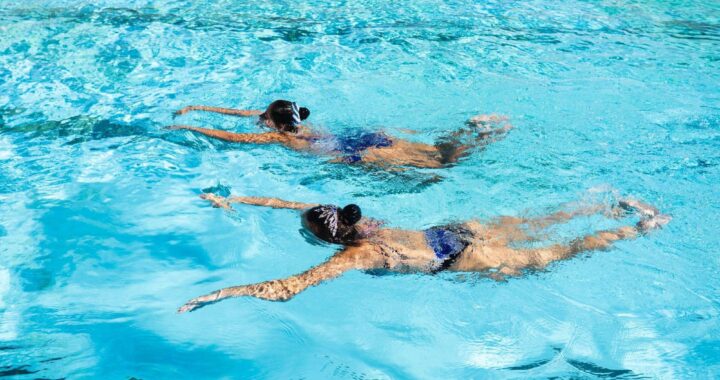
Choosing between the pool and the pavement is a common dilemma for anyone aiming to level up their fitness. While they may seem vastly different, both activities serve as excellent forms of cardiovascular exercise. Ultimately, the right choice between running vs swimming depends on your specific physical needs and lifestyle.
Does Swimming or Running Burn More Calories?
A significant factor for many in the swimming vs running debate is weight management. According to Harvard Medical School, a person weighing approximately 50 kg typically burns about 240 calories in 30 minutes of moderate running. If you increase the intensity to a vigorous pace, that number climbs significantly.
To give you a clearer picture, let’s look at the approximate calorie burn for 30 minutes of moderate activity across different weights:
Body Weight Running (Moderate) Swimming (General)
50 kg 240 calories 180 calories
70 kg 288 calories 216 calories
80 kg 336 calories 252 calories
Running often burns approximately 40% more calories; however, certain swim strokes can change the game. For instance, calorie comparisons show that the butterfly stroke or fast freestyle can match or even surpass the burn rate of a high-speed run.
Furthermore, because water is 800 times denser than air, your muscles work harder against resistance, boosting your metabolism for hours after you leave the pool. Therefore, swimming serves as a full-body resistance workout that continues to burn energy long after your session ends.
Benefits of Running
Many runners value the high-impact nature of the sport because it helps increase bone density. This weight-bearing stress strengthens the skeletal system and builds durability.
1. Support Strong Bones
Since running is a weight-bearing exercise, it forces your body to work against gravity. This process stimulates bone growth and improves density. For older adults or post-menopausal women who are concerned about bone health, regular jogging can be a proactive way to maintain skeletal strength.
2. Takes You Anywhere
Running can be done almost anywhere and at any time. You can explore the trails of MacRitchie Reservoir and East Coast Park or use a treadmill at your convenience. This flexibility allows you to soak up Vitamin D and enjoy a mental boost from being outdoors without being tied to specific facility hours.
3. Accessible
Compared to swimming, running is very accessible, as you don't need a club membership or a specific time slot to start. With a reliable pair of shoes, you can fit a workout into a hectic schedule whenever you have a spare moment.
4. Improves Cardiovascular Fitness Rapidly
Research published by the National Library of Medicine and American Heart Association Journals suggests that runners often develop larger heart ventricles and a higher VO2 max more quickly than those in other sports. If your primary goal is to increase your aerobic capacity quickly, running is the most straightforward way to improve your cardiovascular endurance and fitness.
Benefits of Swimming
While running has its benefits, swimming offers a sustainable, full-body workout that protects your body while building strength. This is why many people learn swimming in Singapore as a lifelong fitness strategy.
1. Low Impact Exercise
The buoyancy of water supports 90% of your body weight. This makes it a perfect environment for individuals with joint pain or those recovering from injuries. You can train daily in the pool without the joint strain associated with the repetitive stress of high-impact terrain.
2. Total Body Workout
A major advantage of swimming is that it engages almost every muscle group at once, transforming the entire body. Each stroke offers a specific focus. For example, freestyle targets your shoulders and core, while the breaststroke works your chest and inner thighs. Switching between these different techniques ensures a balanced physique and helps prevent muscle imbalances.
3. Active Recovery
Swimming acts as an ideal complement to other high-intensity sports, especially running. It can help support recovery from the muscle soreness and joint strain caused by the repetitive impact on pavement. By improving circulation and flushing lactic acid from the muscles, this exercise helps runners recover more quickly after long-distance runs.
4. Superior Breathing Control
The steady, controlled breathing required in the water strengthens respiratory muscles. This often results in increased lung capacity, which is particularly helpful for improving overall breath control and lung capacity.
5. Mental Health and Stress Relief
The water has a calming effect that naturally lowers cortisol levels. This physiological relief is paired with the repetitive rhythm of each stroke, which helps guide the mind into a meditative state. Together, these factors make swimming one of the most effective ways to decompress after a long day at work.
Injury Risk: Swimming vs Running
Beyond just tracking the calories you burn, you must also consider your long-term health and the risk of injuries that could sideline your progress. The impact on your joints and the overall physical toll of running and swimming will determine how consistently you can train.
Running Injury Risks
Running is a high-impact sport that places significant repetitive stress on the lower body. Statistics show that roughly 70% of runners experience injuries annually. Because every stride sends a force of several times your body weight through your legs, the risk of repetitive stress injuries to your joints and connective tissues is high.
- Common Injuries: Shin splints, runner’s knee, plantar fasciitis, stress fractures, and IT band syndrome.
- Risk Factors: These issues often stem from poor running form, wearing inadequate or worn-out shoes, training on hard concrete surfaces, overtraining, or increasing your weekly mileage too quickly.
Swimming Injury Risks
Unlike running, swimming has a very low overall injury rate. The water supports your weight, removing the impact on your bones and joints. While potential issues like "swimmer’s shoulder" can result from overuse or poor technique, most injuries are entirely preventable.
This is where the guidance of a private swimming coach becomes invaluable. At Isplash Swim School, our expert-led lessons focus on refining your stroke mechanics to ensure you are moving efficiently and safely, maximising your fitness benefits while keeping you injury-free.
What is Harder: Swimming or Running?
Both sports push you to your limit, but they challenge your body in very different ways. Deciding if swimming is better cardio than running depends on how your heart and muscles adapt to the unique demands of each activity.
Technical Difficulty: Swimming Wins
Running is intuitive, as most people can simply lace up and start. Swimming, however, is technically complex. It requires mastering coordinated breathing, precise body positioning, and intricate stroke mechanics.
Most people need professional instruction or a private swimming coach to swim effectively. The silver lining? Swimming is the sport where you will see the most dramatic improvement once you invest in coaching.
Physical Impact on Body: Running Wins
Running is undeniably harder on the skeletal system. The repetitive impact on solid ground increases injury risk and often requires more extended recovery periods between sessions. For many, the high-impact nature of running becomes unsustainable over a long period or as they age.
Cardiovascular Challenge: It’s a Tie
Both activities can be equally demanding, though the "struggle" feels different. In running, breathlessness results from pure physical exertion and a high heart rate. In swimming, the challenge often comes from the controlled breathing technique. Because you can only breathe at specific moments in a stroke, swimmers usually find it harder to maintain high intensity for as long as runners might.
Sustainability and Longevity: Swimming Wins
Swimming offers a much gentler experience for your skeletal system, allowing for more frequent training sessions. In contrast to running, which typically requires rest days to enable joints to recover from repetitive impact, swimming is a sustainable, lifelong activity that remains accessible from early childhood through old age.
Practical Considerations: Which Fits Your Lifestyle?
1. Accessibility
- Running: Can be done anywhere, anytime, with no facility requirements. However, you are at the mercy of the weather (heat, rain, or haze) and need to find safe, well-lit routes.
- Swimming: Fortunately, Singapore has numerous ActiveSG pools and condo facilities, making access very convenient. While you are limited by pool hours, Singapore’s year-round warm weather makes outdoor swimming ideal. Plus, at Isplash, we offer a flexible policy for changing classes to suit your busy schedule.
2. Cost
- Running: Requires a good pair of shoes ($50–$250) that need replacing every 500–800km. Optional costs include fitness trackers and specialised apparel.
- Swimming: Initial costs are low, including goggles ($15–$50), a swimsuit ($10–$80), and pool entry fees or memberships.
- Beyond the initial gear and membership fees, many also enrol in swimming lessons for a more structured and productive learning experience.
- Adult swimming lessons typically costs $30 - $50 per class and private swimming lessons can costs $200 to $320 per class. . Investing in professional coaching early on ensures you build a solid foundation, allowing you to master complex strokes more effectively than you would by learning on your own.
3. Time Investment
- Running: Extremely time-efficient, as you can walk out your front door, start your workout, and be back in the shower within 45 minutes.
- Swimming: Between traveling to the pool, changing, and the post-swim shower/hair-drying routine, you should typically budget an extra 30–45 minutes beyond your actual time in the water.
Dive Into a Smarter, Stronger Workout
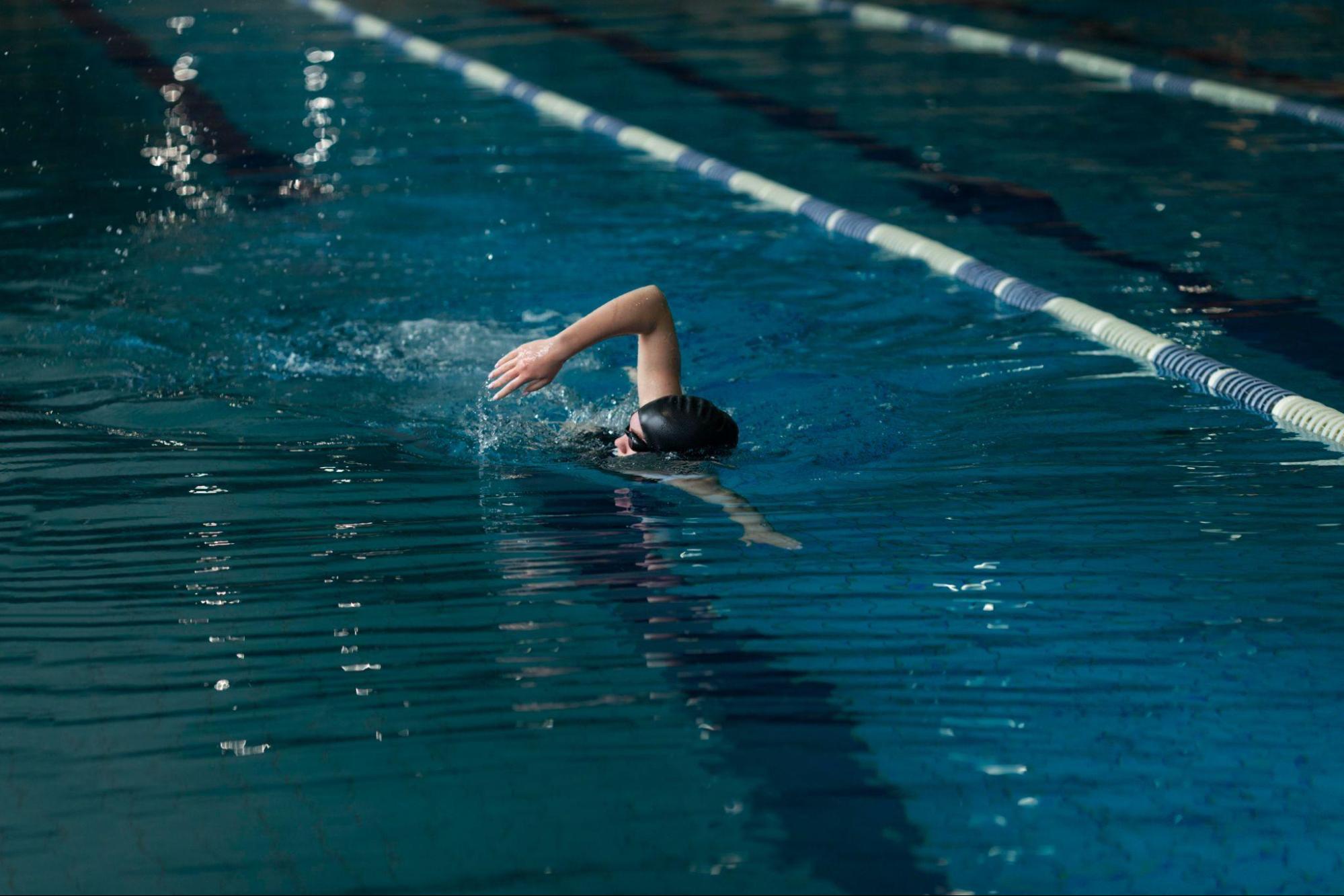
If you are looking for a low-impact, total-body workout that builds both functional strength and endurance, swimming is an unparalleled choice. It offers a combination of resistance training and cardiovascular conditioning that is gentle on your joints but tough on your muscles.
To truly unlock these benefits and move through the water with ease, proper technique is the key. Whether you are a beginner looking to pick up basic swimming skills or an enthusiast focused on mastering the different types of swimming strokes, professional coaching makes all the difference. At Isplash Swim School, our specialised programmes, including dedicated ladies swimming lessons, provide a comfortable environment to turn a challenging workout into a highly effective fitness routine.
Book a lesson today and discover how expert coaching can transform your fitness.