
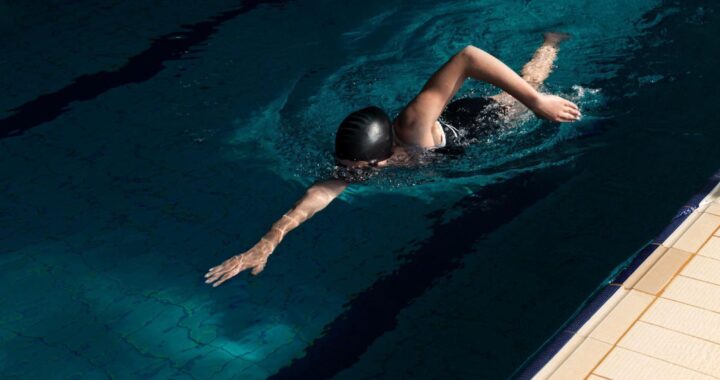
Once beginner swimmers feel at ease in the swimming pool, the next step is learning how to move through the water. To do this, they rely on swimming strokes, which are specific techniques that propel the body through the water.
Every swim stroke has its own specific purpose. Some swimming techniques are mastered for high-speed competition and improving fitness, such as the front crawl and butterfly. Other styles, such as the sidestroke and breaststroke, are utilised for energy conservation and lifesaving.
Take a deep dive into the different types of swimming strokes and learn how each technique can help you propel through the water.
10 Swimming Strokes at a Glance
Swimming Stroke Difficulty Level Key Advantage
Front Crawl / Freestyle Beginner to Advanced Most efficient and fastest stroke
Backstroke Beginner to Intermediate Unrestricted breathing throughout
Breast Stroke Beginner to Intermediate Head stays above water, good visibility
Butterfly
Advanced Full-body workout, develops power
Sidestroke Intermediate One arm free for towing
Elementary / Survival Backstroke Beginner Simple synchronized movements
Survival Breaststroke Intermediate Maximises distance per stroke
Combat Sidestroke Advanced Low energy expenditure, stealth
Trudgen Stroke Intermediate Head stays above water
Dog Paddle Beginner Doesn't require perfect form
1. Front Crawl / Freestyle
The front crawl, or freestyle, is the most common stroke in swimming. It involves lying on your front, rotating your arms in a windmill motion, and kicking your legs to propel yourself forward.
This swimming style is ideal for fitness training and covering distance quickly. In fact, it is widely considered the most efficient and adaptable stroke in the pool.
Key Components:
- Flutter Kick: Your legs move in a rapid, alternating up-and-down rhythm. For the best propulsion, generate power from your hips rather than your knees, keeping your toes pointed to minimize drag.
- Arm Action: Your arms work in a continuous "reach and pull" cycle. As one arm reaches forward to catch the water, the other pulls back past your hip, keeping the elbow high as it travels over the surface.
- Breathing: Breathe by rolling your head to the side rather than lifting it straight up. Lifting your head forward pushes your hips down, causing your legs to sink and making the swim much harder.
Recommended For: This stroke is recommended for building cardiovascular fitness, swimming laps efficiently, and competitive racing. It is also excellent for beginners, as it teaches the fundamental body positioning and coordination required for all other strokes.
2. Backstroke
Backstroke is the only competitive swimming style performed on your back. This orientation provides a key advantage: unrestricted breathing, which is excellent for building confidence in your swim strokes and helping beginners feel more at ease in the water.
Key Components:
- Flutter Kick: Just like freestyle, you use a flutter kick. The movement still originates from the hips, but you are kicking upward towards the surface.
- Arm Action: Your arms move in a continuous, alternating windmill motion. To move smoothly, your hand should exit the water thumb-first and rotate to enter pinky-first. Rolling your body from side to side helps your arms reach further and catch more water.
- Body Position: Aim to keep your hips and ears aligned near the surface. If your hips drop, you end up in a "sitting" position, which creates drag and slows you down significantly.
Recommended For: This technique is ideally suited for beginners who find rhythmic breathing difficult, as well as swimmers looking to balance their muscle development or enjoy a more relaxed, open-chested swim.
3. Breaststroke
Among the different types of swimming strokes, the breaststroke stands out for its distinct, cyclical rhythm. Unlike freestyle, this style relies more on precise timing and coordination than on raw physical power.
Because of its rhythmic, low-power approach, the breaststroke is the most popular recreational style among swimmers of all skill levels. It allows you to maintain a relaxed pace and keeps your head comfortably above water, offering better visibility of your surroundings.
Key Components:
- Frog Kick: Often compared to a frog's movement, you draw your heels towards your hips, flex your feet outwards, and whip them around in a circular motion to snap them back together. This strong motion provides the majority of your forward propulsion.
- Arm Action: Your hands perform a scoop-like motion, sweeping out and inward to draw a heart shape underwater. This action lifts your upper body, allowing you to take a breath before shooting your arms forward again.
- Rhythm: Success in breaststroke comes down to timing. Using the mantra "pull, breathe, kick, glide" helps coordinate the movements. The glide is significant, as you must allow your body to travel forward in a streamlined position before starting the next stroke.
Recommended For: This swimming style is recommended for leisure swimming and building endurance without exhaustion. It is also a fundamental skill for lifesaving and survival swimming.
4. Butterfly
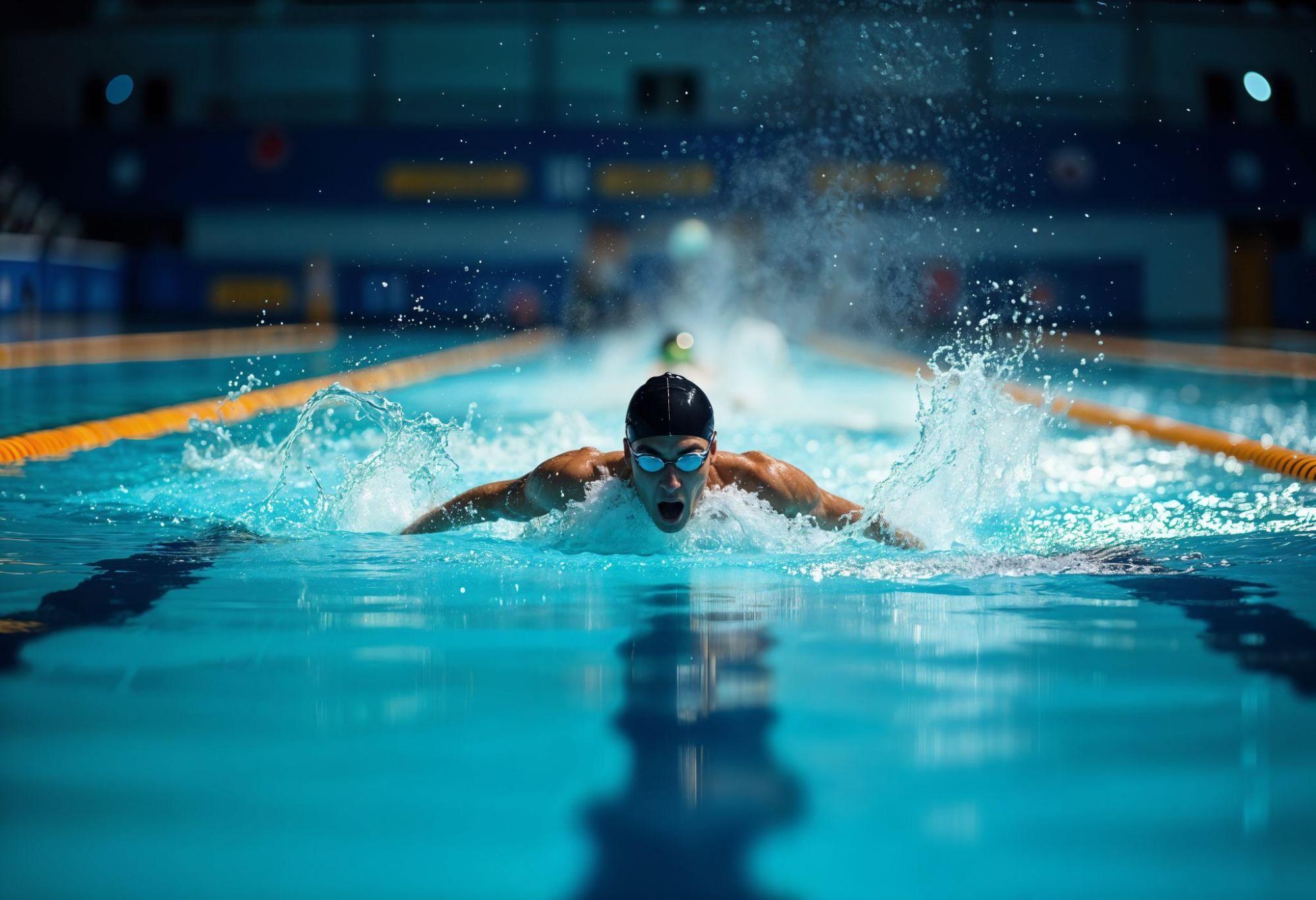
The butterfly stroke is regarded as the hardest of all swimming techniques to master. While it looks graceful from the poolside, it requires significant strength and precise timing. This stroke is one of the key events in swimming competitions, requiring the entire body to move in perfect unison to maintain momentum.
Key Components:
- Dolphin Kick: Your legs move together like a dolphin's tail, performing a simultaneous whip-like motion, driving your hips up and down. This continuous wave provides the momentum needed to lift your upper body out of the water.
- Arm Action: Both arms move symmetrically. They pull down and back underwater to propel you forward, then recover simultaneously over the water's surface to start the next stroke. This action requires good shoulder flexibility and timing.
- Coordination: Your head, chest, hips, and legs undulate in a specific rhythm. You need strong core muscles to maintain this flow and keep your breathing smooth without stalling in the water.
Recommended For: This technique is suitable for advanced swimmers seeking a high-intensity workout or competitive edge.
5. Sidestroke
While you won't see this in the Olympics, the sidestroke is an efficient skill. It is one of the different types of swimming strokes historically valued for safety and survival. As the name suggests, you swim on your side using an asymmetrical motion. This position reduces drag, allowing you to keep moving for a long time without getting tired.
Key Components:
- Scissor Kick: Just like a pair of scissors, your legs open wide, one leg reaches forward while the other goes back. You then snap them together forcefully. This closing action squeezes the water and drives you forward.
- Arm Action: Your arms perform different roles. The bottom arm extends forward and pulls water towards your chest, while the top arm pushes water back. They meet near your chin before reaching out again, almost like picking fruit from a tree and putting it in a basket.
Recommended For: The sidestroke is an excellent option for lifesaving situations, as it leaves one arm free to tow a person or object. It is also ideal for long-distance swimming with minimal fatigue or as a recovery stroke during hard training.
6. Elementary/Survival Backstroke
The elementary backstroke is one of the most beginner-friendly techniques among the different types of swimming strokes. Unlike the traditional backstroke, this style uses a reversed breaststroke kick and symmetrical arm movements beneath the water.
Key Components:
- Whip Kick: Draw your heels towards your hips, turn your feet outward, then whip your legs in an oval motion before snapping them back together.
- Arm Action: Draw your hands up to your armpits (like a monkey), extend them outward at shoulder height (like an airplane), then push them down to your thighs (like a soldier).
- Glide Phase: After completing the arm push and leg kick together, hold a streamlined glide for three to four counts.
Recommended For: Absolute beginners building water confidence, swimmers who struggle with face-down positions, and anyone seeking a restful technique for longer distances.
7. Survival Breaststroke
The survival breaststroke differs from the regular breaststroke in that the survival stroke is slower and less continuous than the regular breaststroke. Designed for emergency situations where energy conservation is critical, it’s one of essential skills in swimming survival courses or in SwimSafer Stage 3 lessons.
Key Components:
- Extended Glide: Glide face-down and count to three before momentum stops, then initiate the next stroke. This extended gliding phase maximises energy efficiency.
- Modified Frog Kick: Use the same frog kick as regular breaststroke, but kick only when your arms begin their power phase, not continuously.
- Calm Positioning: Swimming face-down allows you to see where you're headed, helping you stay calm and aware of your surroundings in survival scenarios.
Recommended For: Intermediate swimmers who have mastered basic strokes and want to build endurance, swimmers looking to conserve energy during long-distance sessions.
8. Combat Sidestroke
Developed by the United States Navy SEALs, the combat sidestroke combines elements from breaststroke, freestyle, and traditional sidestroke for stealth and efficiency. It's gained popularity among fitness swimmers and triathletes in Singapore for its energy-saving benefits.
Key Components:
- Asymmetrical Arm Action: Your bottom arm pulls from forward to chest, while your top arm pushes from chest past your hip. Both arms meet near your torso before reaching out again.
- Scissors Kick: Your top leg sweeps forward while your bottom leg extends backward, then snap them together forcefully for propulsion.
- Streamlined Body Position: Swimming on your side keeps your body horizontal and reduces drag, making it highly efficient for longer distances.
Recommended For: Advanced swimmers interested in high-efficiency techniques and endurance swimming!
9. Trudgen Stroke
Named after English swimmer John Trudgen, this stroke blends freestyle arm action with the scissor kick of the sidestroke. It offers practical benefits for recreational swimmers seeking variety.
Key Components:
- Alternating Arm Action: Your arms pull in an alternating freestyle pattern, but your torso remains more upright and your hips stay positioned sideways.
- Scissor Kick: Perform a scissors kick on alternate arm strokes. As your arm sweeps overhead, spread your legs apart, then snap them together for power.
- Head Position: Your head stays above water throughout, making breathing unrestricted—ideal for Singapore's warm climate where you might want to stay cooler in the water.
Recommended For: Recreational swimmers who prefer keeping their head above water but desire more speed than the sidestroke.
10. Dog Paddle
The dog paddle is all about simple, continuous movement that mimics how dogs naturally stay afloat. With small, circular arm motions paired with a gentle flutter kick, this low-effort stroke keeps your head above water and is surprisingly effective. The beauty of the dog paddle is that it doesn't require perfect form, making it ideal for those who feel uneasy about more technical strokes.
Key Components:
- Alternating Paddle Motion: Your hands scoop and push water in an alternating motion beneath your chest, with arms staying bent in front of your body.
- Vertical Body Position: The dog paddle keeps you more upright with your chest angled slightly forward.
- Flutter Kick or Bicycle Motion: Your legs kick rapidly or move in a cycling pattern, focusing on keeping you afloat and providing forward momentum.
Recommended For: Complete beginners or young children in SwimSafer programmes building water confidence, and as a temporary technique when tired between other strokes.
Which Stroke Should You Start With
Not sure where to begin? Choose your path based on your swimming goals:
1. For Beginners
New to swimming or building water confidence?
Start with: Dog Paddle → Elementary Backstroke → Breaststroke
These strokes keep your head above water and require minimal coordination. Perfect for getting comfortable in the pool before progressing to more technical strokes.
Enquire with us on our kids (ages 5 to 13) or adult swimming lessons (ages 14 and above) depending on your age!
2. For Fitness
Want a good workout and cardiovascular training?
Focus on: Freestyle → Backstroke → Butterfly
Freestyle is the most efficient for lap swimming and burning calories. Add backstroke for balanced muscle development, then challenge yourself with butterfly for an intense full-body workout.
To learn more about these strokes, our Private swimming lessons are a good way to tailor towards your swimming journey and mastering each stroke one at a time!
3. For Endurance / Personal Advanced Learning
Building stamina or training for long-distance swimming?
Master: Survival Breaststroke → Combat Sidestroke → Trudgen Stroke
These energy-efficient strokes help you swim longer distances without exhaustion. Ideal for open water swimming or advancing your technique beyond the basics.
Consider joining our Adult Swimming Lessons and enquire for Advanced Level classes!
Ready to Master Your Swimming Strokes?
From the speed of freestyle to the utility of sidestroke, knowing how these styles function gives you a clear advantage. Mastering the 5 swimming strokes can give you an effective workout or help you learn a life-saving skill. To successfully translate theory into fluid movement and prevent inefficient swimming habits, you need professional guidance.
Isplash Swim School provides structured programmes that prepare students for their first swimming lesson and support learners through every phase, from the initial flutter kick to complex coordination. Working with a certified coach ensures you learn basic swimming skills and receive personalised feedback to correct your form.
Whether you are looking for a swimming class for kids, a ladies-only group, or private swimming classes for focused attention, our experienced team is ready to assist. Singapore swimming courses with Isplash Swim School are designed to make you a safer, stronger, and more confident swimmer.